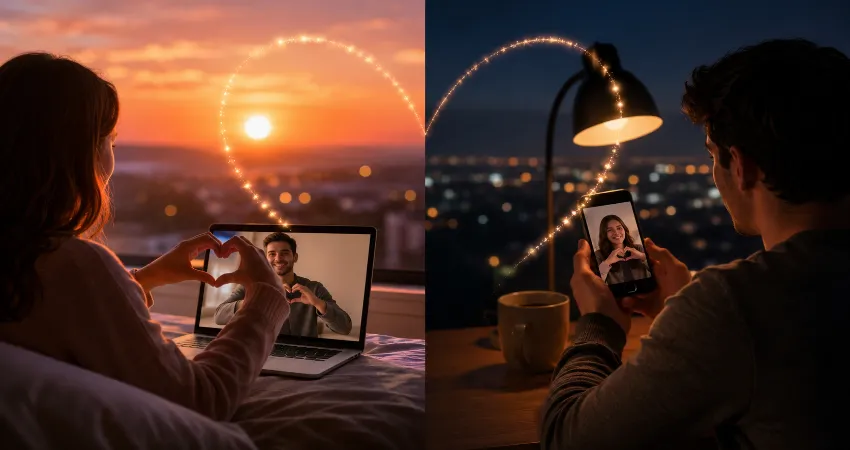
Meeting someone for the first time can be exciting, whether you connected through a dating app, a social media platform, a professional networking site, or a shared community. While most first meetings are positive experiences, taking sensible precautions helps you enjoy the moment with greater confidence and peace of mind. Personal safety should never feel like an afterthought it should be part of your planning from the very beginning.
Many people focus on making a good first impression but spend very little time thinking about practical safety measures. In reality, small decisions such as choosing the right meeting location, informing a trusted friend about your plans, and paying attention to your surroundings can significantly reduce unnecessary risks. These habits are not about expecting the worst; they are about being prepared.
This guide explains practical, realistic, and people-first strategies for staying safe while meeting someone for the first time. The advice applies to both online and offline introductions and is designed to help you make informed decisions while enjoying a comfortable and respectful first meeting.
Why Personal Safety Should Always Come First?
Every first meeting involves a level of uncertainty because you are still getting to know the other person. Even if your conversations have been enjoyable for weeks or months, online communication does not always reflect real-life behavior. Prioritizing safety allows you to focus on building a genuine connection instead of worrying about avoidable situations. Healthy relationships are built on mutual respect, and a trustworthy person will understand and support reasonable safety precautions.
Get to Know the Person Before Meeting
Before agreeing to meet, spend enough time communicating through messages or video calls. Ask questions about their interests, work, hobbies, and daily life. Consistency in their responses often provides valuable insight into their authenticity. If something feels confusing or their stories frequently change, take extra time before arranging a meeting. A brief video call can also confirm that the person matches their profile and communicates naturally.
Choose a Safe Public Meeting Location
The location of your first meeting plays a major role in your overall safety. Select a busy public place such as a coffee shop, restaurant, bookstore, shopping center, museum, or public park during daylight hours whenever possible. Public environments provide better visibility, more people nearby, and easier access to transportation if you decide to leave early.
Avoid meeting at private homes, hotel rooms, isolated areas, or unfamiliar locations during your first encounter. Even if the other person seems trustworthy, there is no disadvantage to waiting until you know each other better before choosing more private settings.
Tell Someone About Your Plans
One of the simplest yet most effective safety measures is sharing your plans with a trusted family member or friend. Let them know where you are meeting, approximately how long you expect to stay, and who you are meeting. Consider sharing your live location through your smartphone during the meeting if you feel more comfortable doing so.
Establish a check-in time afterward. If your plans change unexpectedly, update the person you informed so they know you are safe.
Arrange Your Own Transportation
Maintain independence by using your own transportation whenever possible. Whether you drive yourself, use public transportation, or book a rideshare service, having control over your arrival and departure gives you flexibility if you decide to end the meeting earlier than expected.
For a first meeting, avoid depending entirely on the other person for transportation. Having your own travel arrangements helps reduce unnecessary pressure and allows you to leave comfortably whenever you choose.
Protect Your Personal Information
It is natural to share basic details while getting to know someone, but avoid revealing sensitive personal information too soon. Your home address, financial information, workplace security details, passwords, identification numbers, and other private data should remain confidential until you have established trust over time.
Similarly, be cautious when posting your live location on public social media during the meeting. Sharing updates after you have left the location is generally a safer practice.
Trust Your Instincts Without Feeling Guilty
Your intuition is often an important safety tool. If something feels uncomfortable, overly pressured, or inconsistent with what you expected, take your concerns seriously. You never need to justify leaving a situation that makes you feel unsafe.
Respectful individuals understand personal boundaries. If someone reacts negatively when you express discomfort or refuse a request, that behavior itself may provide useful information about whether continuing the relationship is appropriate.
Stay Aware of Your Surroundings
Being present during your meeting includes paying attention to the environment around you. Notice nearby exits, observe the general atmosphere, and remain aware of your belongings. Avoid becoming so focused on conversation that you overlook obvious changes in your surroundings.
Keeping your phone charged before leaving home is another practical habit. Having access to navigation, emergency contacts, and communication provides additional reassurance throughout the meeting.
Respect Healthy Boundaries
A successful first meeting does not require either person to move faster than they feel comfortable. Healthy boundaries include respecting personal space, declining activities that create discomfort, and communicating honestly about expectations.
Mutual respect builds trust. If both people feel comfortable expressing their preferences without pressure, the meeting is more likely to be enjoyable and lead to future conversations.
Reflect After the Meeting
Once the meeting ends, take a few moments to reflect on the overall experience. Consider whether the person’s actions matched their words, whether communication felt respectful, and whether you genuinely felt comfortable throughout the interaction. First impressions are valuable, but thoughtful reflection often provides even greater clarity when deciding whether to meet again.
Frequently Asked Questions
1. Where is the safest place to meet someone for the first time?
A busy public location is usually the safest choice. Coffee shops, restaurants, libraries, shopping centers, museums, or similar public spaces provide visibility and access to other people if assistance is ever needed. Choosing a familiar location also helps you feel more relaxed during the meeting.
2. Should I tell someone before going to the meeting?
Yes. Informing a trusted friend or family member about your plans is a practical safety habit. Share the meeting location, approximate schedule, and the person’s name if possible. Arranging a check-in afterward adds another layer of reassurance without affecting your ability to enjoy the experience.
3. Is it a good idea to meet at someone’s home on the first meeting?
Generally, meeting in a private residence is not recommended for an initial meeting. Public locations offer greater security, easier transportation options, and a more comfortable environment while both people are still getting to know one another.
4. How can I verify that someone is genuine before meeting?
Spend time communicating through messages and consider having a video call before meeting in person. Consistent communication, realistic conversations, and willingness to answer reasonable questions can help you build confidence that the person is authentic.
5. What should I do if I feel uncomfortable during the meeting?
If you feel uneasy for any reason, prioritize your well-being. Politely end the meeting and leave using your own transportation. You do not need to remain in any situation that causes discomfort simply to avoid appearing impolite.
6. Should I arrange my own transportation?
Yes. Independent transportation allows you to arrive and leave according to your own schedule. It reduces unnecessary dependence on the other person and gives you greater flexibility if your plans change during the meeting.
7. How much personal information should I share on a first meeting?
Keep the conversation focused on general interests, hobbies, career goals, travel, and other everyday topics. Avoid sharing sensitive details such as your home address, financial information, passwords, or confidential work-related information until trust has developed naturally over time.
8. Is it normal to feel nervous before meeting someone for the first time?
Yes. Feeling slightly nervous is completely normal because first meetings involve uncertainty. Preparing in advance, choosing a comfortable location, and following practical safety steps can help reduce anxiety and allow you to focus on meaningful conversation.
9. How long should a first meeting last?
There is no fixed rule, but shorter meetings often work well. Meeting for coffee, lunch, or a casual walk provides enough time to get to know each other without creating unnecessary pressure. If both people enjoy the experience, future meetings can naturally become longer.
10. What signs suggest that a second meeting may be a good idea?
A positive first meeting usually includes respectful communication, honest conversation, mutual interest, comfortable boundaries, and consistent behavior. If you leave feeling relaxed, respected, and interested in learning more about the other person, those are encouraging signs that another meeting may be worthwhile.
Conclusion
Staying safe while meeting someone for the first time is about making thoughtful decisions rather than expecting negative outcomes. Choosing a public location, informing someone you trust, protecting your personal information, arranging independent transportation, and trusting your instincts all contribute to a safer and more enjoyable experience.
By combining practical preparation with clear personal boundaries, you can approach first meetings with greater confidence while giving genuine connections the opportunity to grow naturally.