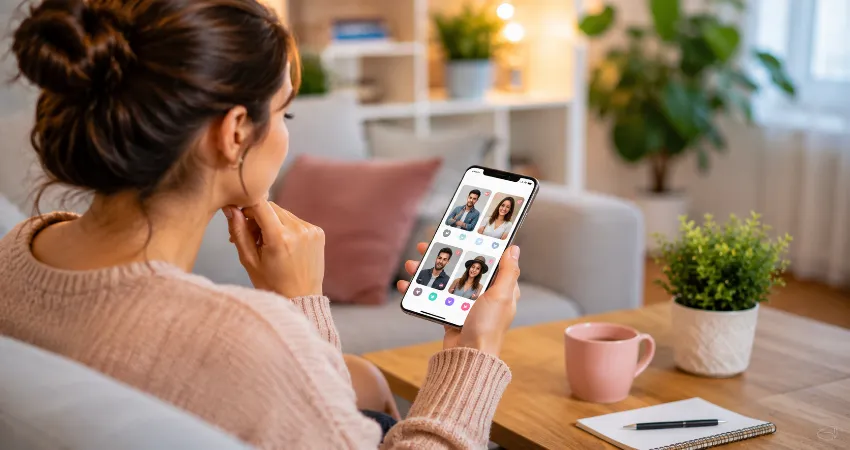
Finding the right dating app can feel overwhelming when hundreds of platforms promise better matches, meaningful conversations, or long-term relationships. The truth is that no single dating app is perfect for everyone. The best choice depends on what you are genuinely looking for, whether that is a serious relationship, casual dating, meeting new people, or connecting with individuals who share your interests and values.
Many people download multiple dating apps without first defining their personal dating goals. This often leads to frustration, wasted time, and conversations that never develop into meaningful connections. Choosing a platform that aligns with your expectations can significantly improve your overall experience while helping you interact with people who are looking for similar outcomes.
Having reviewed numerous dating platforms, studied user behavior, and observed how different apps attract different audiences, one consistent pattern stands out: successful online dating usually begins with choosing the right platform rather than simply creating an attractive profile. Understanding the strengths and limitations of each type of dating app allows you to make informed decisions instead of relying on trial and error.
Why Your Dating Goals Should Come First?
Before downloading any dating app, spend a few minutes identifying your primary objective. Some people are seeking marriage or long-term commitment, while others simply want to meet new people after moving to a different city. Others may be interested in casual dating without long-term expectations.
Your goal influences every part of the experience, including the type of app you should use, the profile you create, and the conversations you have. Being honest about your intentions also helps reduce misunderstandings and increases the likelihood of matching with people who share similar expectations.
Understand the Different Types of Dating Apps
Not all dating platforms operate in the same way. Some focus on detailed compatibility questionnaires designed to identify long-term relationship potential. Others prioritize quick profile browsing, location-based matching, or shared hobbies and interests.
Generally, dating apps can be grouped into several categories. Relationship-focused platforms encourage users to invest more time in creating detailed profiles. Casual dating apps often emphasize fast interactions and shorter profiles. Niche platforms bring together people with common lifestyles, religious beliefs, professional backgrounds, or specific interests. Understanding these differences helps narrow your choices before you even create an account.
Evaluate the Quality of the User Base
The size of a dating app’s community matters, but quality is often more important than quantity. A platform with millions of inactive users may provide fewer meaningful matches than a smaller community with highly engaged members.
Look for signs that users complete their profiles, upload multiple authentic photos, and actively participate in conversations. Reading independent user experiences and recent reviews can provide valuable insights into how active and genuine the community is.
Consider Safety and Privacy Features
Online safety should be one of your highest priorities when selecting a dating platform. A trustworthy app should provide profile verification, reporting tools, blocking options, and clear privacy controls.
Review how much personal information is visible by default and whether you can control who sees your profile. Strong privacy settings allow you to enjoy online dating while maintaining confidence that your personal information remains protected.
Compare Matching Algorithms and Compatibility Features
Modern dating apps use different approaches to introduce potential matches. Some rely mainly on location and basic preferences, while others use detailed personality assessments, lifestyle questions, and shared interests.
Compatibility-based matching often works well for people seeking serious relationships because it considers multiple aspects beyond physical appearance. Meanwhile, simpler matching systems may appeal to users who prefer meeting people organically through conversation.
Look Beyond the Free Version
Most dating apps offer free access alongside optional premium subscriptions. Before paying for additional features, evaluate whether the free version provides enough opportunities to meet compatible people.
Premium features such as unlimited messaging, advanced filters, profile visibility controls, and detailed compatibility insights can improve the experience for some users. However, paying for a subscription does not guarantee better relationships. Focus first on choosing the platform that best matches your goals.
Check the App’s Reputation and Community Standards
A dating platform’s reputation is built over time through user satisfaction, moderation practices, and transparency. Apps that actively remove fake profiles and encourage respectful communication typically provide a more enjoyable experience.
Reading recent reviews from multiple trusted sources helps identify recurring strengths and weaknesses. Pay attention to comments about customer support, fake accounts, moderation quality, and overall user satisfaction instead of focusing solely on star ratings.
Create Realistic Expectations Before Joining
Even the best dating app cannot guarantee immediate success. Building meaningful relationships requires patience, respectful communication, and realistic expectations.
Instead of measuring success by the number of matches, focus on the quality of conversations and shared compatibility. A smaller number of genuine connections often leads to better outcomes than collecting dozens of inactive matches.
Signs That You May Be Using the Wrong Dating App
Sometimes the problem is not your profile but the platform itself. If you consistently encounter people seeking different relationship goals, receive very few relevant matches, or feel uncomfortable with the community culture, it may be time to explore another app.
Switching to a platform that better reflects your priorities often improves both your confidence and your overall experience. Being flexible and willing to reassess your choice is part of developing a successful online dating strategy.
Tips for Making the Most of Your Chosen Dating App
Once you select a platform that aligns with your goals, invest time in creating an honest and complete profile. Use recent photos, write a clear introduction, and describe your interests naturally without exaggeration.
Meaningful conversations usually begin with personalized messages rather than generic greetings. Showing genuine curiosity about another person’s profile encourages more engaging discussions and creates stronger first impressions. At the same time, respect personal boundaries, communicate honestly, and avoid rushing the process.
Frequently Asked Questions
1. How do I know which dating app is right for me?
Start by identifying your relationship goals before comparing available platforms. If you are looking for long-term commitment, choose apps that emphasize compatibility and detailed profiles. If your goal is meeting new people or casual dating, platforms designed for quicker interactions may be more suitable.
2. Is using multiple dating apps at the same time a good idea?
Using more than one app can increase your opportunities to meet people, but managing several profiles may also become time-consuming. Many users find better results by focusing on one or two platforms that closely match their objectives instead of spreading their attention across numerous apps.
3. Are paid dating apps better than free ones?
Not necessarily. Premium subscriptions often provide additional features such as advanced filters or increased visibility, but successful matches depend more on compatibility, communication, and honesty than on paid features alone. Evaluate whether premium tools genuinely support your dating goals before subscribing.
4. How important is profile verification?
Profile verification adds an extra layer of trust by reducing fake accounts and improving user confidence. While verification cannot eliminate every risk, choosing apps that offer identity verification demonstrates that the platform takes user safety seriously.
5. Should I choose a niche dating app?
If you have specific lifestyle preferences, religious beliefs, professional interests, or shared hobbies that are important in a relationship, niche dating apps can increase the likelihood of meeting compatible people who value similar experiences and priorities.
6. What information should I include in my dating profile?
Include accurate photos, a genuine description of your personality, hobbies, interests, and relationship goals. Authentic profiles attract people who appreciate you for who you are and help reduce misunderstandings later.
7. How can I stay safe while using dating apps?
Protect your personal information, avoid sharing sensitive details too early, use in-app messaging until trust develops, and report suspicious behavior. Meeting in public places for initial in-person conversations is also a practical safety measure.
8. How long should I try a dating app before switching?
Give yourself enough time to create a complete profile, engage in meaningful conversations, and understand how the platform works. If, after consistent effort, you continue meeting people with different goals or receive limited relevant matches, trying another app may be worthwhile.
9. Can dating apps really lead to long-term relationships?
Yes. Many people have developed lasting relationships after meeting through dating apps. Success depends less on the technology itself and more on choosing an appropriate platform, communicating honestly, and maintaining realistic expectations throughout the process.
10. What is the biggest mistake people make when choosing a dating app?
The most common mistake is selecting an app based solely on popularity instead of personal compatibility. A widely used platform may not serve your specific relationship goals. Taking time to compare features, user communities, safety measures, and matching approaches usually leads to a better overall experience.
Conclusion
Choosing a dating app that matches your goals begins with understanding what you genuinely want from online dating. By considering your relationship objectives, evaluating user communities, comparing safety features, reviewing matching systems, and maintaining realistic expectations, you can select a platform that supports meaningful connections.
Rather than chasing the most popular app, focus on finding the one that aligns with your values, communication style, and long-term intentions. A thoughtful decision at the beginning often creates a more positive, enjoyable, and rewarding dating experience.
🔥 You Might Also Like